Is turbulence dangerous? What the data shows
By the FlyCalm.me team · Updated
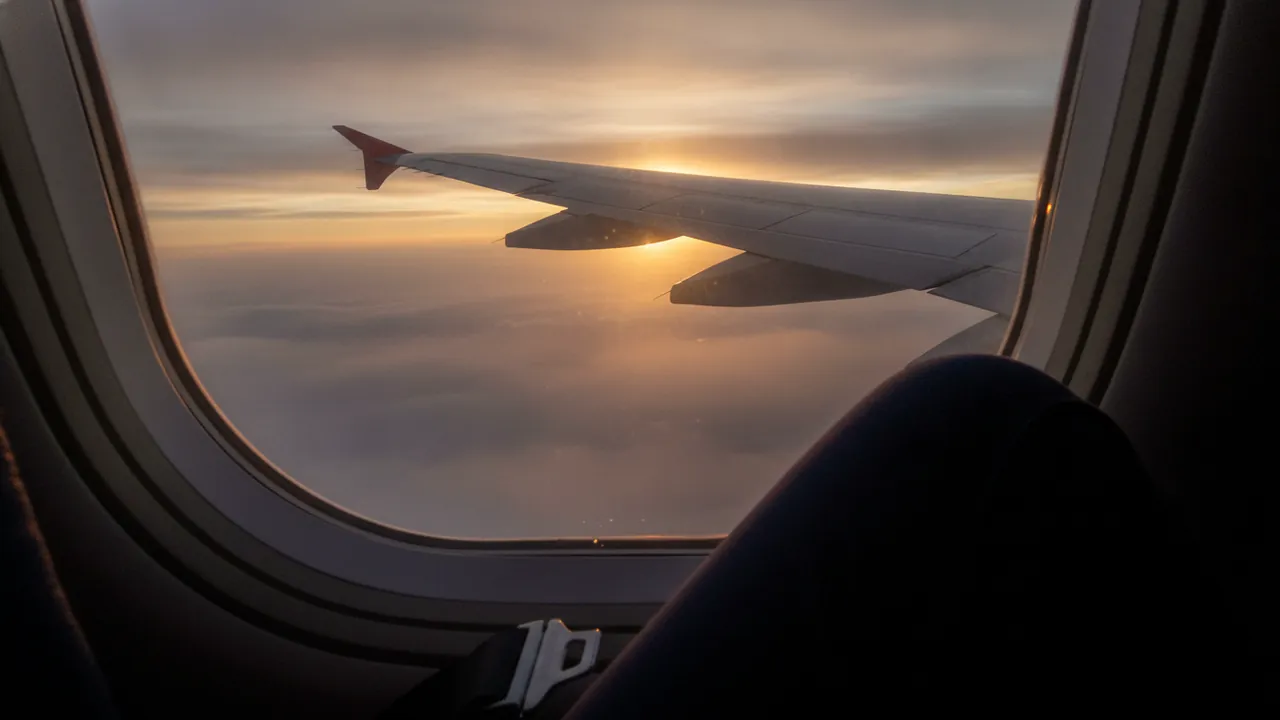
Is turbulence dangerous? For the airplane, almost never. Modern airliners are certified to take far more punishment than normal turbulence delivers. For people, it can be, but nearly all of the harm comes to those who are out of their seat belts when the plane lurches. If you stay buckled, the real risk from a bumpy flight is very small.
What turbulence can and cannot do to the plane
Aircraft structures are designed around load limits. Under FAA certification rules, the wing and fuselage must carry the expected maximum load, called the limit load, with margin to spare, and the ultimate load that the structure must survive is 1.5 times the limit load. In ground tests, engineers push wings upward until they fail, and they do not fail anywhere near the loads that turbulence produces in service.
The loads in flight are far below that. Light and moderate bumps, the kind that make a cup of water ripple or a bag slide, are small stresses compared with what the wing is made to carry. The wings flexing that frightens many passengers is the design working, spreading a gust through the structure the way a suspension takes a pothole.
Can turbulence crash a plane?
Not in the way fear imagines. Modern transport aircraft are not expected to be brought down by turbulence alone, and US accident reviews show serious turbulence cases are almost entirely about people getting hurt inside the cabin, not about the aircraft failing.
The honest history is a little more nuanced. In 1966, a Boeing 707 broke up near Mount Fuji after meeting severe mountain-wave turbulence. That accident led to better understanding of mountain waves and clear-air turbulence, and the aircraft and procedures involved are not today's. Cases like it are rare in the modern record. When extreme turbulence does happen, the usual outcome is injuries, a diversion and an inspection, not a crash.
Where the real turbulence danger is: unbelted people
The NTSB reviewed turbulence accidents on US airlines from 2009 to 2018 and found 111 that caused at least one serious injury. Among the 123 passengers and flight attendants seriously injured, only 1 was documented as wearing a seat belt. Of the 26 seriously injured passengers, again only one was belted.
FAA-derived reporting lists 23 serious turbulence injuries in US airline operations in 2024. Twenty were flight attendants, who are often on their feet, and 3 were passengers. Most turbulence injuries are broken bones, sprains and head injuries from being thrown into the ceiling or the seats.
The Singapore Airlines turbulence flight in 2024
On May 21, 2024, a Singapore Airlines Boeing 777-300ER met severe turbulence over Myanmar on a London to Singapore flight. One passenger died, 104 people were injured, and the plane diverted to Bangkok. It was a serious event and it is the one many anxious flyers think about. Three points matter. The plane stayed in the air and landed safely. The harm came from people being thrown around the cabin. And the event is rare enough to be widely reported, which is not how everyday flying goes.
How bad turbulence gets
| FAA category | What the aircraft does | What you notice |
|---|---|---|
| Light | Slight, erratic changes in altitude or attitude | A mild bounce and slight strain against the belt |
| Moderate | Greater changes, still under positive control | Walking is difficult, loose items shift |
| Severe | Large, abrupt changes, aircraft may be briefly out of control | Unsecured people and objects thrown around |
| Extreme | Violent tossing, practically impossible to control | Very rare |
Most flights see only light turbulence, if any. Severe and extreme are the categories behind the news stories, and they are uncommon.
How to be safer in turbulence
- Keep your seat belt on, low and snug, whenever you are seated, even with the sign off. Clear-air turbulence can arrive with no warning.
- Stow loose items under the seat in front and keep hot drinks off your tray when the plane is bumpy.
- If the seat belt sign comes on, go back to your seat now, not after the bathroom queue clears.
- Follow crew instructions straight away. If they ask you to sit and buckle, they have a reason.
If shaking sets off panic, the steps in what to do during turbulence anxiety give you something to do besides brace. To understand why air moves like this in the first place, see what causes turbulence on a plane. Your breathing is the quickest lever, and the breathing exercises for flight anxiety show how.
For wider context on how rare serious accidents are, is flying safe sets out the figures. If turbulence is why you dread flying, the fear of flying app FlyCalm.me includes simulated turbulence training, according to its App Store listing, so you can practice at home.
Sources: NTSB turbulence accident study (2009 to 2018 data), FAA-derived injury reporting, FAA certification load requirements and the FAA turbulence intensity definitions, checked on 2026-11-22.
Frequently asked questions
Why should I keep my seat belt on when the sign is off?
Clear-air turbulence has no cloud or radar warning, so a jolt can come with the sign off. NTSB data show that nearly all seriously injured people in turbulence were not documented as belted. A snug belt costs you nothing. Wearing it loosely fastened across your hips is enough, and it protects you from a sudden bump.
Do flight attendants get hurt in turbulence?
Yes, more often than passengers. Of 23 serious turbulence injuries in US airline operations in 2024, 20 were flight attendants, because they are on their feet serving or securing the cabin. That is why crews sit down early when turbulence is expected.
Is it safe to use the bathroom during turbulence?
It is safer to wait. Standing and moving in a cabin that is shaking is how most injuries happen. If the seat belt sign is on, stay seated. If you must go, hold on and tell a crew member. Wait for the seat belt sign to go off, and use the handholds if a bump arrives while you are up.
Can extreme turbulence damage the wings?
Extreme turbulence is rare, and the FAA defines it as a violent toss that may cause structural damage. Wings are certified to survive 1.5 times their limit load, so in practice the usual result is injuries and an inspection, not failure.
Do airlines cancel flights because of turbulence?
Sometimes they delay or reroute around forecast storms and strong jet streams. Pilots also change altitude or route in flight to find smoother air. Light bumps do not cancel a flight, and no one can promise a flight free of any turbulence.
Can turbulence cause a plane to fall out of the sky?
Turbulence cannot cause an airliner to fall out of the sky. Aircraft are designed and certified for loads far beyond what normal turbulence produces, and the plane keeps flying through it. The real risk is to unbelted passengers, who can be thrown around the cabin.
How common is serious injury from turbulence?
Serious turbulence injuries are rare compared with the number of flights. The 2024 US figure of 23 serious injuries, mostly crew, comes from millions of flights. Keeping your seat belt fastened whenever you are seated cuts your personal risk further.