
Sedatives For Fear Of Flying: Safety Questions To Ask
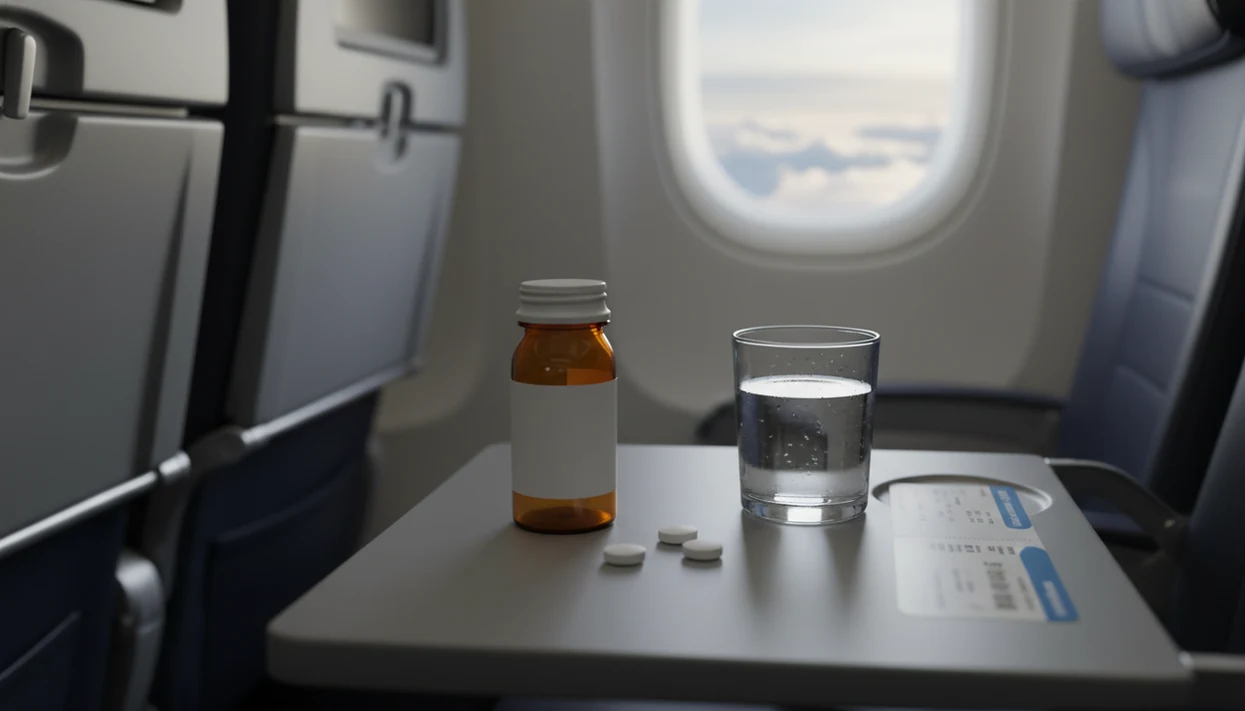
Sedatives for fear of flying may help some people feel calmer, but they are prescription medicines with safety, impairment, alcohol, breathing, and dependence risks that must be assessed personally by a clinician. They are not a universal or long-term fix for flight anxiety, and many nervous flyers also need non-drug tools that address the fear itself.
> This article is informational and does not replace medical advice. Ask a doctor or pharmacist before using any sedative for flying, especially if you drink alcohol, take other medicines, have breathing problems, are pregnant, or need to drive after landing.
- Most flight anxiety sedatives people ask about are benzodiazepines such as diazepam, lorazepam, alprazolam, or clonazepam.
- Key safety questions include drowsiness, impaired reaction time, alcohol use, other medications, breathing conditions, pregnancy, dependence risk, and whether you need to stay alert in flight.
- Non-drug approaches such as breathing, grounding, hypnosis, meditation, and cognitive techniques can reduce flight anxiety without causing sedation.
CalmFlying (flight-anxiety.app) is a flight anxiety app that provides meditation, hypnosis, breathing exercises, and cognitive techniques for nervous flyers. This page explains what U.S. travelers should know about sedatives for fear of flying, including medication effects, safety concerns, and why personal medical advice matters.
Many nervous flyers ask about sedatives because they want certainty before boarding, but the safest plan usually starts with understanding personal risk factors: alcohol use, sleep deprivation, other prescriptions, medical history, panic symptoms, and how the body may react at altitude. CalmFlying is designed for the non-drug side of that plan, offering breathing timers, guided audio, hypnosis-style relaxation, and cognitive techniques that can be practiced before the airport and used during takeoff, turbulence, and landing. Medication questions should always go to a licensed clinician who knows your health history.
| Need | Best option |
|---|---|
| CalmFlying | Nervous flyers who want structured, flight-specific calming tools without relying on medication advice. |
| Calm or Headspace | General meditation, sleep, and relaxation practice. |
| SOAR, FlyHome, or No Fear of Flying | Fear-of-flying education, aviation reassurance, or structured fear-of-flying programs. |
| Prescription sedatives or beta blockers | People whose clinician determines medication is appropriate for their specific health situation. |
Sedatives for fear of flying at a glance
Quick answer: sedatives may be prescribed for some severe flight anxiety cases, but the decision needs personal medical advice. The main risks include drowsiness, impaired reaction time, alcohol interaction, and dependence.
Sedation and treating flight anxiety are not the same goal. A tablet may dull the panic surge, but it does not teach your brain that takeoff noise, wing flex, or a brief dip through cloud layers can be tolerated safely. That matters on the next trip.
The practical question is not “Can I get something?” It is “Can I use it safely, and what else should I practice?” Supportive tools such as breathing, grounding, and flight-specific relaxation can sit alongside medical care. They should not replace a doctor’s assessment when medication is being considered.
Flight anxiety medication effects in the body
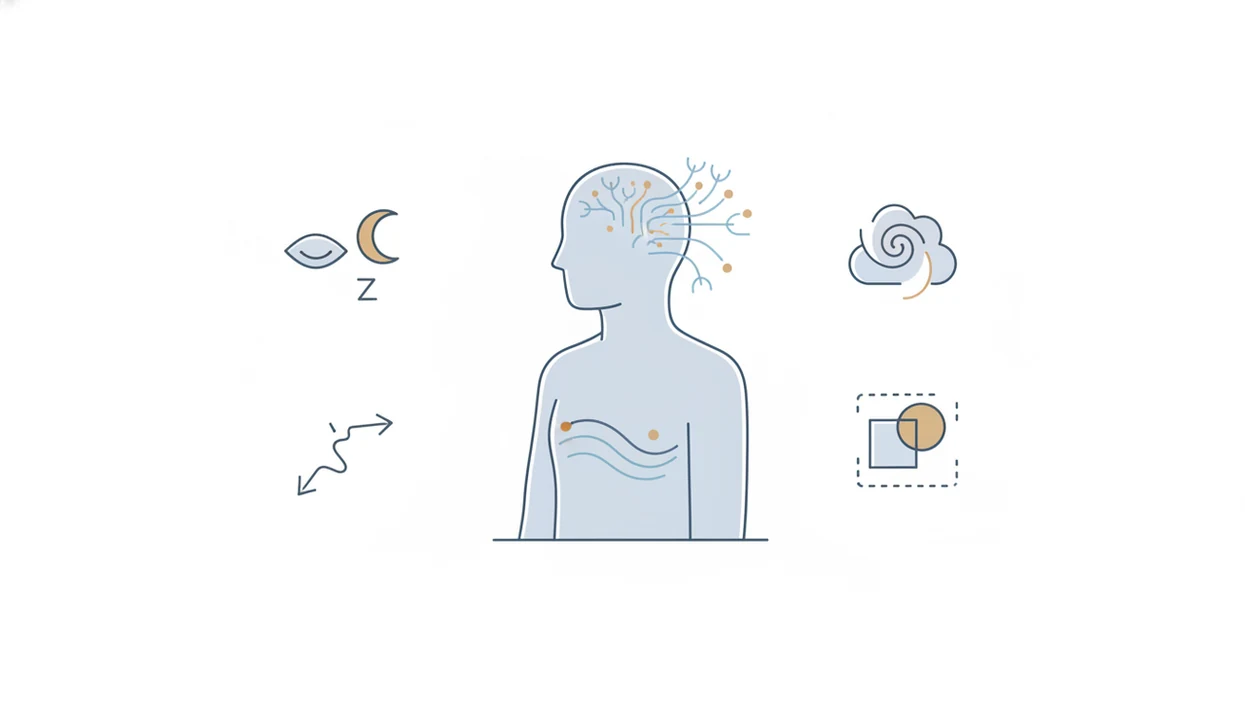
Benzodiazepines are medicines that slow nervous system activity, which can reduce acute anxiety but can also impair alertness. In plain terms, the same “calming” effect can make you sleepy, slower, less coordinated, or fuzzy about what happened.
How sedatives for flight anxiety work: many benzodiazepines enhance GABA signaling, a braking system in the brain. That brake can dampen fear signals, but it does not rebuild fear learning. Short-term symptom dampening is different from long-term anxiety recovery. For mechanism background, StatPearls summarizes benzodiazepines as medicines that enhance the effect of the inhibitory neurotransmitter GABA at GABA-A receptors: https://www.ncbi.nlm.nih.gov/books/NBK470159/.
Real flights add variables. Altitude, fatigue, alcohol, sleep deprivation, and other sedating medicines can change how a dose feels. A person who felt steady at home may feel heavy, confused, or too sleepy once seated with a tight seatbelt across the lap. Clinicians typically recommend discussing these risks before travel, not testing a new sedative in the boarding queue.
Five facts about diazepam fear of flying requests
- Diazepam is one commonly requested benzodiazepine for fear of flying, especially by people searching for short-term flight anxiety medication.
- Diazepam commonly causes drowsiness; the NHS lists feeling sleepy or drowsy as a common diazepam side effect: https://www.nhs.uk/medicines/diazepam/side-effects-of-diazepam/.
- Alcohol plus benzodiazepines can deepen sedation and create safety concerns, including poorer coordination and trouble staying alert.
- Repeated benzodiazepine use can lead to tolerance, dependence, and withdrawal risks; the FDA requires boxed warnings for benzodiazepines because of abuse, addiction, physical dependence, and withdrawal concerns: https://www.fda.gov/drugs/drug-safety-and-availability/fda-requires-boxed-warning-updated-improve-safe-use-benzodiazepine-drug-class.
- Some clinicians decline to prescribe diazepam for flying and recommend non-drug approaches first, especially when the main need is coping skill practice.
For a nervous flyer, diazepam fear of flying searches often happen late. Shoes are lined up by the door, sleep was poor, and the flight is tomorrow. That timing is exactly why a planned medical conversation is safer than a rushed request.
Safety questions before taking sedatives on flights
Are sedatives safe on flights? Safety depends on the person, medicine, dose, timing, alcohol use, medical history, and what else is in the body that day.
Ask a doctor or pharmacist these questions before you fly:
- Can this interact with alcohol, opioids, sleep tablets, antihistamines, or other sedating medicines?
- Is it safe with pregnancy, older age, sleep apnea, COPD, asthma, or other breathing concerns?
- Could it make my panic symptoms worse, or make me confused or disinhibited?
- Have my previous reactions to sedatives or anesthesia raised any concerns?
- Will I still be able to follow crew instructions and respond normally?
Do not try a new sedative for the first time on a flight unless a clinician has specifically directed that plan. Passport checked again at the gate is not the moment to discover you react strongly to a medicine.
Diazepam, lorazepam, Xanax, and beta blockers compared
No medication category is the right answer for every nervous flyer. The comparison is about effects and risks, not choosing a drug without a clinician.
| Option | What people mean | Main intended effect | Important caution |
|---|---|---|---|
| Diazepam | A longer-acting benzodiazepine | Sedation-like calming and acute anxiety reduction | Drowsiness, impaired response, dependence risk |
| Lorazepam | A benzodiazepine sometimes discussed for acute anxiety | Short-term calming | Sedation and interaction risks still apply |
| Alprazolam, Xanax | A shorter-acting benzodiazepine | Rapid anxiety symptom reduction for some people | Requires clinician judgment; rebound anxiety can be an issue |
| Clonazepam | A benzodiazepine with longer effects | Anxiety dampening | May last beyond the flight |
| Beta blockers | Medicines that may reduce physical symptoms | Racing heart or tremor reduction | They do not sedate in the same way |
| OTC sleep aids | Nonprescription products used for sleep or relaxation | Sleepiness or mild calming for some people | Not equivalent to prescription anti-anxiety medicine |
For acute panic, benzodiazepines usually aim to reduce symptoms quickly, while beta blockers fit people whose main problem is physical adrenaline symptoms.
Common myths about flight anxiety medication
Myth 1: A sedative is always the safest option. Sedatives can create new risks, especially if you need to stay alert during boarding, turbulence, or an unexpected instruction.
Myth 2: Sleeping through the flight means the phobia is solved. Sleep may reduce awareness. It does not necessarily change the fear pattern that returns before the next booking.
Myth 3: If diazepam works once, it is safe whenever flying. Repeated use raises tolerance and dependence concerns, and the context can change each time.
Myth 4: Natural or over-the-counter products work like benzodiazepines. They may help some people relax, but they are not clinically equivalent.
Myth 5: Medication removes the need for breathing or cognitive techniques. The most common medically supported way to manage recurring flight anxiety is skill practice combined with clinician-guided care when symptoms are severe.
Non-drug tools for flight anxiety relief
Non-drug tools aim to change the anxiety response, not simply reduce awareness. Common options include breathing exercises, grounding, guided meditation, hypnosis, cognitive reframing, exposure preparation, and therapy.
How to use non-drug flight anxiety tools:
- Choose one breathing exercise before travel day, so it feels familiar in the seat.
- Save a grounding cue for boarding, such as naming five neutral objects near you.
- Play a guided meditation or hypnosis track during taxi or cruise, using earbuds once seated.
- Write one cognitive reframe for turbulence, such as “uncomfortable does not mean unsafe.”
- Book therapy support if avoidance, panic, or repeated cancellations are shaping your life.
Apps such as CalmFlying can provide flight-specific meditation, hypnosis, breathing exercises, and cognitive techniques. Good flight anxiety relief through meditation, hypnosis, and cognitive techniques delivered via the calmflying app offers repeatable coping practice, not medical clearance or a promise that panic cannot happen.
For more non-drug planning, the longer guide to flight anxiety without medication covers routines by travel stage.
Doctor questions about sedatives for fear of flying
Speak with a doctor well before travel, not in a last-minute rush. Clinicians may differ because risk tolerance, medical history, local prescribing rules, and aviation safety concerns differ.
Bring a clear list: all medicines, supplements, alcohol habits, medical conditions, previous panic symptoms, and any past reactions to sedatives. Mention if you may be responsible for a child, need to drive after landing, or have a connection that requires fast decisions. Small details matter.
The right answer may be no medication, a non-sedating option, therapy, or a tightly limited prescription. If panic has led you to cancel trips or avoid airports entirely, guidance on when to see therapist for fear of flying may be more useful than another search for a pill name.
Reset the plan.
When to seek medical help before flying
Seek medical help before flying if panic is changing your travel decisions, or if medication could affect breathing, alertness, or responsibilities after landing. Ask early, not the day before departure, especially if you have cancelled trips or started avoiding airports.
Use a simple safety plan before you pack:
- Contact a doctor or pharmacist if you have sleep apnea, COPD, asthma, pregnancy, or another condition that could make sedation riskier.
- Tell them about alcohol, opioids, sleeping tablets, antihistamines, supplements, and any previous strong reaction to sedatives or anesthesia.
- Explain what you must do after arrival, including driving, childcare, work decisions, navigating a connection, or helping another passenger.
- Ask what warning signs should stop you from flying or make you seek urgent care.
- Use emergency care immediately if a sedative or mixed substance causes severe confusion, trouble breathing, collapse, or you cannot be woken normally.
This is not about being “too anxious to fly.” It is about matching the plan to the real trip, the real body, and the real duties waiting at the other end.
Limitations
Sedatives have real limits for fear of flying. Treat this section as a safety boundary, not small print.
- Sedatives do not cure fear of flying or teach coping skills.
- They may impair judgment, coordination, memory, and reaction time.
- Alcohol, opioids, sleep aids, antihistamines, and other sedating medicines can increase risk.
- Dependence and tolerance are concerns with repeated benzodiazepine use.
- Some people may feel confused, disinhibited, more anxious, or unusually sleepy.
- A sedated passenger may be less able to follow crew instructions or respond normally.
- App-based techniques may help some people, but they are not a substitute for medical evaluation when panic is severe.
- If you use any app for sensitive anxiety notes or routines, it is reasonable to ask are flight anxiety apps safe and review privacy in flight anxiety apps.
For many nervous flyers, non-drug skills are easier to repeat than sedatives because they do not add impairment, alcohol, or dependence questions.
Read more
FAQ
Are sedatives safe on flights?
Sedative safety on flights depends on the individual, medicine, dose, alcohol use, other medications, and medical history. Ask a clinician before using one for flying.
Can diazepam help fear of flying?
Diazepam may reduce acute anxiety for some people. It can also cause drowsiness, impaired response, and dependence risk.
Is Xanax used for flying?
Xanax, the brand name for alprazolam, is a benzodiazepine sometimes discussed for flight anxiety. It requires clinician judgment and is not suitable for every traveler.
Can I drink with diazepam?
Alcohol and diazepam can dangerously increase sedation and safety risk. Discuss alcohol use with a clinician and follow the medicine instructions.
What is flight anxiety medication?
Flight anxiety medication is a broad term for clinician-directed options, including benzodiazepines, beta blockers, and other medicines. The choice depends on symptoms, risks, and medical history.
Do sedatives cure flying anxiety?
Sedatives may suppress symptoms temporarily. They do not treat the underlying fear pattern or teach coping skills.
Are beta blockers used for flying anxiety?
Beta blockers may be used for some physical anxiety symptoms, such as a racing heart or tremor. They are not sedatives in the same way as benzodiazepines.
Can doctors refuse to prescribe diazepam for flying?
Yes. Clinicians may decline because of safety concerns, dependence risk, prescribing rules, or a preference for non-drug treatment.
What helps fear of flying without medication?
Breathing, grounding, meditation, hypnosis, cognitive techniques, therapy, and flight-specific preparation can help without sedation. Flight Anxiety App may be one practical way to organize those exercises before and during travel.